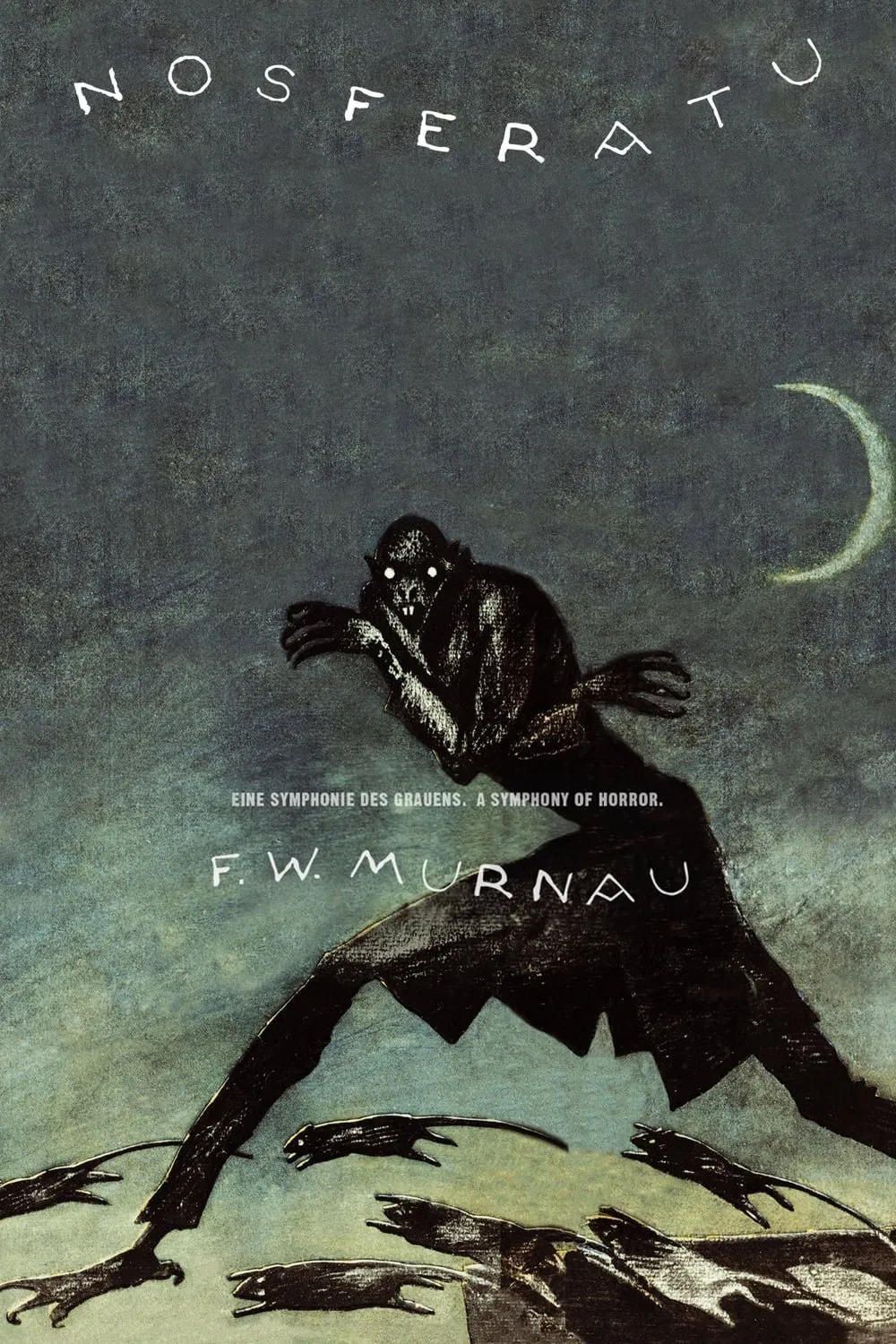
“Blood is life! Blood is life!” – Knock
This deliciously eerie and haunting silent gem premiered on March 15, 1922 at the Primus-Palast in Berlin. Based on an unauthorized adaption of Bram Stoker’s 1897 novel “Dracula” written by screenwriter Henrik Galeen, this cinematic masterpiece is about Count Orlok, a Transylvanian noble and vampire who travels to the German town of Wisburg, bringing death and disease with him. Not only did this film terrify its audience, but it laid the foundation for the modern horror genre.
Directed by F.W. Murnau and starring Max Schreck as the creepiest and most unforgettable vampire in cinema history, Nosferatu was part of the German Expressionist movement. It was shot on location in Slovakia and Germany, unusual for the time, as most silent films relied on studio sets. Murnau masterfully employed natural light and striking shadows with creative camera angles to create mood and a sense of realism mixed with nightmare. Orlok’s iconic shadow creeping up the staircase scene is a prime example of this. Stop-motion effects was also used for eerie movements (like Orlok’s coffin sliding by itself), creating unsettling supernatural moments that felt ahead of its time.
Murnau’s blend of artistry and innovation elevated Nosferatu beyond a simple vampire tale, making it poetic and atmospheric exploration of fear. His work not only shaped the future of horror, but he also demonstrated how cinema could express the deepest human emotions without uttering a single word. This work of art is worth watching.
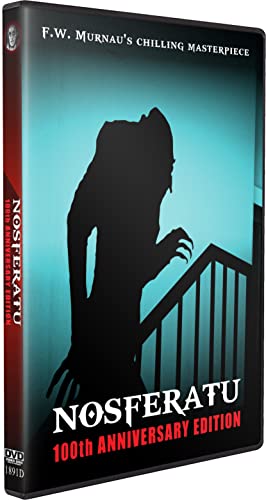
Fun facts:
*Nosferatu was the one and only film produced by Prana Film. They declared bankruptcy shortly after the film’s release.
*Nosferatu was the first film to show a vampire dying from the exposure to sunlight.
*After the discovery of the film, Florence Stoker, Bram’s widow, sued the filmmakers for copyright infringement. She won the lawsuit and the courts ruled that all copies of the film be seized and destroyed via burning. Thanks to a circulating underground copy in Europe, Nosferatu avoided becoming a lost film. Lucky for us.
Bonus: Two drink ideas for a night of watching Nosferatu
“Blood Moon Mulled Wine” (Classic + Spooky)
Perfect for: a screening night with vintage flair. This drink is elegant but has a deep red color that looks vampiric in the best way.
Ingredients:
1 bottle dry red wine (Merlot or Cabernet)
¼ cup brandy
¼ cup honey or sugar
2 cinnamon sticks
4 whole cloves
2 star anise
1 orange (sliced into rounds)
Optional: a few pomegranate seeds for extra “blood drop” effect
Instructions:
Combine everything in a saucepan and heat gently (don’t boil) for about 15–20 minutes.
Strain, ladle into mugs, and garnish with an orange slice and star anise.
Thematic touch: The deep crimson color under dim light looks like something Count Orlok might serve at a midnight gathering.
“Carpathian Hot Chocolate” (Rich + Gothic)
Perfect for: a cozy, decadent movie night where you want a non-alcoholic option. Inspired by Eastern European flavors, this hot chocolate is thick, spiced, and mysterious.
Ingredients:
2 cups whole milk (or non-dairy alternative)
½ cup heavy cream
4 oz dark chocolate (70% cocoa or higher), chopped
½ tsp cinnamon
¼ tsp cardamom
Pinch of cayenne or black pepper (for that “bite”)
Whipped cream or a dusting of cocoa to top
Instructions:
Heat the milk and cream in a saucepan over medium-low heat.
Add the chocolate and stir until melted.
Whisk in spices until smooth and steamy.
Pour into mugs and top as desired.
Thematic touch: Serve in black or antique-style mugs, maybe with a cinnamon stick “stake” resting across the top.
Enjoy!
No Responses